
Opening a bank account is one of the first “big tasks” for any expat in Singapore. While it sounds simple, Singapore’s strict Anti-Money Laundering (AML) regulations mean banks are very particular about documentation—especially your Proof of Address.
Here is a deep dive into the process, the banks, and the exact documents you need.
Moving to Singapore: The Ultimate Guide to Opening a Bank Account for Expats
Opening a bank account is one of the first “big tasks” for any expat in Singapore. While it sounds simple, Singapore’s strict Anti-Money Laundering (AML) regulations mean banks are very particular about documentation—especially your Proof of Address.
Here is a deep dive into the process, the banks, and the exact documents you need.
1. Choosing the Right Bank: A Comparison for Expats
| Bank | Best For | Why Choose Them? |
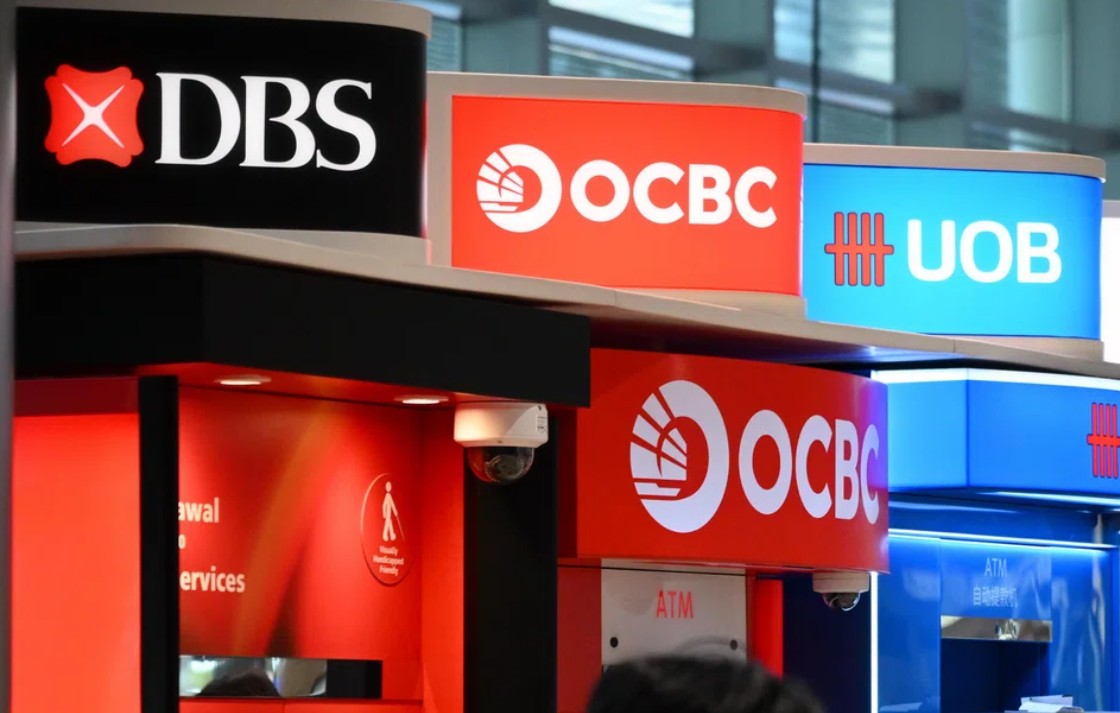
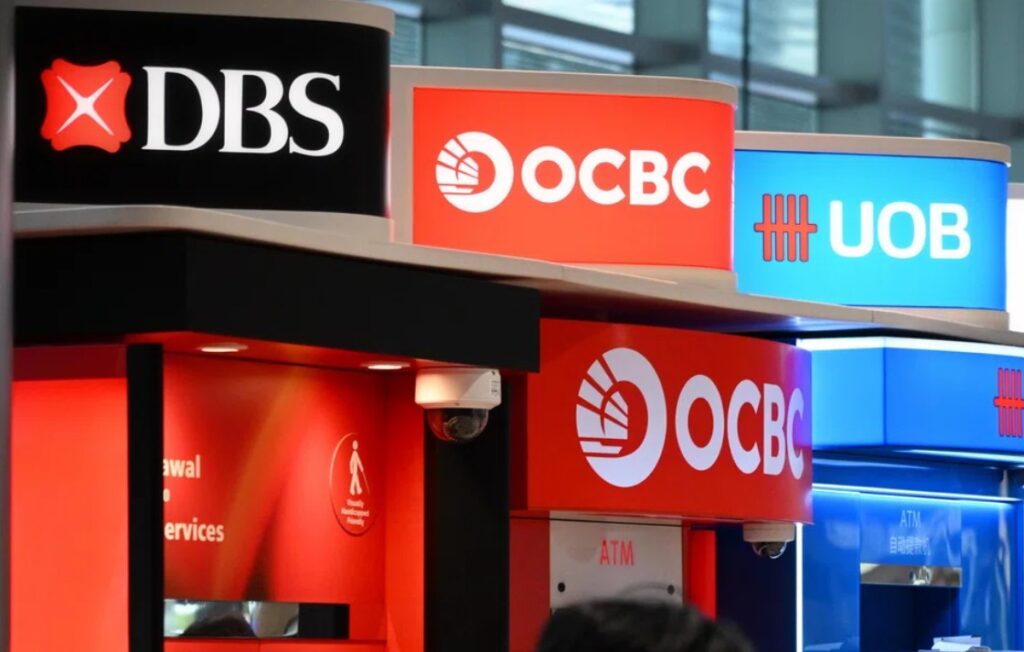
| DBS / POSB | Digital Nomads & New Arrivals | The “Development Bank of Singapore.” They have the most ATMs (POSB included). The DBS Multiplier Account is the most flexible for those starting their career. |
| OCBC | High-Yield Savers | Their 360 Account offers tiered interest. If you credit your salary and spend $500 on their card, you get significantly higher interest than DBS. |
| UOB | Foodies & Shoppers | Excellent credit card rewards for dining and Grab. The UOB One Account is great if you have consistent monthly spending. |
| HSBC / Citi | Global Transfers | If you already have a Premier account in your home country, they can sometimes help you open a Singapore account before you even arrive. |
2. The “Golden List” of Required Documents
Don’t leave home without these. Banks in Singapore rarely accept digital copies on your phone; bring physical originals or high-quality printouts.
A. Proof of Identity
- Passport: Must be valid for at least 6 months.
- FIN (Foreign Identification Number) Card: Your physical EP, S-Pass, or DP card.
- Note: If your physical card hasn’t arrived yet, bring your IPA (In-Principle Approval) Letter. However, some banks may wait until the physical card is issued to fully activate the account.
B. Proof of Residential Address (The Hardest Part!)
This is where most expats struggle. The bank needs to see your Full Name and Singapore Residential Address on an official document issued within the last 3 months. Accepted documents include:
- Utility Bill: SP Group (electricity/water) bill.
- Phone/Internet Bill: From Singtel, StarHub, or M1 (Post-paid only; pre-paid is not accepted).
- Tenancy Agreement (TA): Must be fully signed by both you and the landlord and, crucially, e-Stamped by IRAS. Banks will check for the IRAS stamp duty certificate! Your Tenancy Agreement is the best proof of address. If you haven’t secured one yet, read my [Singapore Rental Guide] first. https://homeinsg.com/singapore-rental-guide-how-to-avoid-toxic-clauses-in-your-tenancy-agreement/
- Letter of Employment: A formal letter from your HR department on company letterhead, stating your current Singapore residential address.
- Bank Statement: A statement from another reputable bank (even an overseas one) if it displays your Singapore address.
C. Proof of Employment/Student Status
- Employment Contract or a recent Payslip.
- For students: A Letter of Acceptance from your school/university in Singapore.
3. The Step-by-Step Process
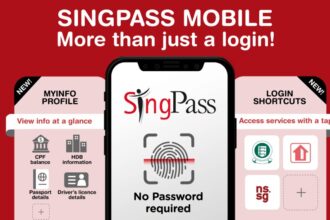
- Online vs. Branch: If you have Singpass, always try applying online first via the bank’s app. It’s faster and avoids queues.
- In-Person Visit: If you don’t have Singpass yet, visit a branch. Tip: Branches in the CBD (Raffles Place) are more experienced with expat applications than heartland branches.
- The “Fall-Below” Fee: Ask the teller, “What is the minimum average daily balance?”
- Example: If the limit is $3,000 and your balance hits $2,900, they will charge you a $5 fee that month.
- Instant Issuance: Most local banks will give you your Debit Card and set up your Internet Banking on the spot.
4. HomeInSG’s Insider Checklist for Success
- PayNow Setup: The moment your account is open, link it to your Mobile Number via PayNow. You will use this for everything from hawker centers to paying your rent.
- Digital Tokens: Singapore banks have moved away from physical “calculators” (dongles). You will need to set up a Digital Token on the bank’s app for secure transactions.
- Initial Deposit: Some accounts require an initial deposit of $1,000 or more. Have this ready via cash or a cheque from your employer.
- Remittance: If you need to send money back to Korea or elsewhere, check out apps like Wise or Moin. They often offer better rates than the big banks.






One Comment